

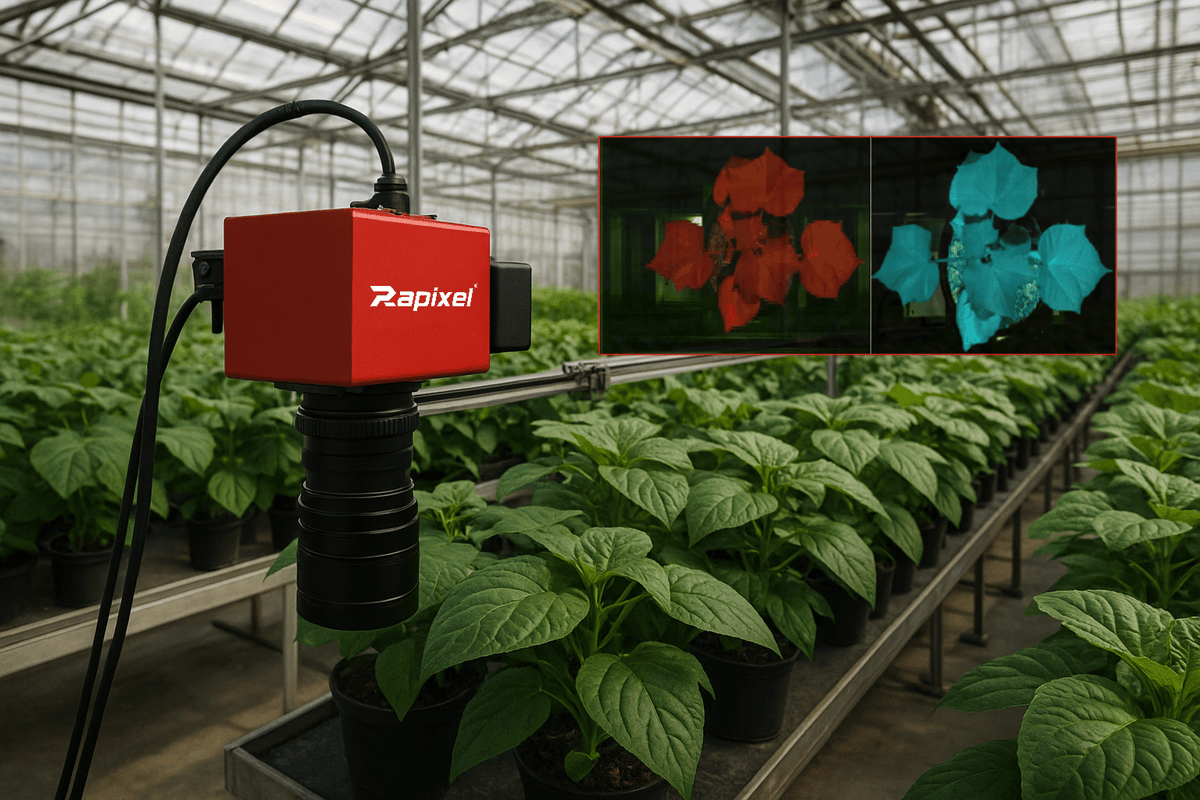
Расширение возможностей фенотипирования растений с помощью гиперспектральной съемки — Rapixel возглавляет новую эру инноваций в агротехнологиях.
Ключевые слова: фенотипирование растений, гиперспектральная съемка, мониторинг урожая, точное земледелие, Rapixel
1. Что такое фенотипирование растений?
Фенотипирование растений — это количественная оценка структуры, физиологии, роста, урожайности и реакции на стресс растений. Традиционные подходы в значительной степени основаны на ручных измерениях и деструктивном отборе проб, что делает их трудоемкими и непригодными для крупномасштабных исследований.
Современные высокопроизводительные системы фенотипирования (ВТФ) используют визуализацию, датчики и автоматизацию для проведения неразрушающих, быстрых и воспроизводимых измерений. Захватывая такие параметры, как цвет листьев, структура листового покрова, содержание воды и питательный статус, исследователи и производители могут получить ценную информацию о состоянии растений в различных условиях.

2. Гиперспектральная съемка — взгляд за пределы видимого мира
Гиперспектральная визуализация (ГСИ) объединяет возможности пространственной и спектральной информации. В отличие от стандартных RGB-камер, ГСИ регистрирует данные об отражательной способности или пропускании в сотнях длин волн — от видимого до ближнего инфракрасного или коротковолнового инфракрасного диапазона — выявляя химические и физиологические свойства, невидимые человеческому глазу.
Основные преимущества фенотипирования растений:
- 🌱 Неразрушающий анализ – измерение содержания хлорофилла, питательных веществ и влаги без повреждения образцов.
- ⚙️ Высокопроизводительное сканирование – идеально подходит для крупномасштабных автоматизированных рабочих процессов фенотипирования.
- 🧠 Раннее выявление стресса – обнаружение засухи, дефицита питательных веществ или заболеваний задолго до появления видимых симптомов.
- 📊 Количественная оценка – Вывод индексов (например, NDVI, PRI) или передача данных в модели машинного обучения для точного анализа.
Благодаря своей способности «видеть за пределами цвета», гиперспектральная визуализация стала краеугольным камнем селекции нового поколения, исследований сельскохозяйственных культур и точного земледелия.
3. Гиперспектральные решения Rapixel для фенотипирования растений
Компания Rapixel предлагает гибкие, экономичные и высокоэффективные гиперспектральные системы визуализации, разработанные специально для фенотипирования растений, селекции и сельскохозяйственного мониторинга. Наши системы легко интегрируются в лабораторные установки, автоматизированные линии теплиц или полевые платформы на базе дронов.
🌿 Rapixel iRb10UVN36KM-2 (ВНИР 400–1000 нм)
- Основные характеристики: высокочувствительный CMOS-сенсор и сверхнизкошумная оптическая схема; поддержка высокоскоростной линейной развертки.
- Идеальные области применения: картирование содержания хлорофилла, спектроскопия отражения листьев, индексы растительности в видимом и ближнем инфракрасном диапазоне (NDVI, PRI).
- Варианты интеграции: исследования в теплицах, конвейерные или рельсовые системы фенотипирования, автоматизированные платформы для скрининга.
- Технические преимущества: Бесперебойная работа с запатентованными алгоритмами калибровки и коррекции Rapixel для точного выравнивания пикселя и спектра.
🌾 Rapixel iRb17CSW04KM-1/2/3 (SWIR 900–1700 нм)
- Основные характеристики: Детектор на основе InGaAs с высоким динамическим диапазоном; доступен в трех конфигурациях для различных требований к разрешению и частоте кадров.
- Идеальные области применения: анализ влажностного стресса, выявление дефицита питательных веществ (NPK), контроль зрелости семян, характеристика внутренних тканей.
- Варианты интеграции: станции высокопроизводительного фенотипирования, лаборатории анализа качества, полевой мониторинг с использованием дронов или портальных установок.
- Технические преимущества: Отличное соотношение сигнал/шум и стабильность в условиях переменного освещения.
🌱 Пример комбинированного приложения
Комбинируя iRb10UVN36KM-2 и iRb17CSW04KM-1/2/3 , исследователи могут обеспечить полный спектр излучения от видимого до ближнего инфракрасного диапазона для всестороннего анализа растений. Такие системы позволяют:
- Многомерное спектральное сканирование для оценки состояния здоровья и физиологии растений.
- Мониторинг временных рядов для регистрации динамических реакций на стресс.
- Моделирование с использованием машинного обучения для прогнозирования зависимости урожайности от признака.
- Неразрушающий высокопроизводительный скрининг для исследований в области селекции и устойчивости к стрессовым факторам.
Благодаря этим интегрированным решениям для гиперспектрального фенотипирования компания Rapixel позволяет исследовательским группам и агропредприятиям сопоставлять данные о фенотипе, генотипе и окружающей среде, преодолевая разрыв между результатами лабораторных исследований и реальными сельскохозяйственными приложениями.
4. Основные сценарии применения
1. Селекция и отбор по признакам
Быстро получайте гиперспектральные профили различных генотипов для отбора высокоурожайных, стрессоустойчивых или высококачественных сортов с использованием спектральных индексов и анализа на основе искусственного интеллекта.
2. Мониторинг уровня стресса и состояния здоровья
Обнаружение засухи, засоления почвы, повреждений от вредителей или дефицита питательных веществ путем анализа спектральных изменений — идеально подходит как для контролируемых условий, так и для полевых систем БПЛА.
3. Отслеживание роста и прогнозирование урожайности
Отслеживайте фенологические стадии на протяжении всего цикла роста и сопоставляйте спектральные данные с показателями урожайности и качества для принятия решений на ранних этапах.
4. Интеллектуальное земледелие и цифровое сельское хозяйство
Интегрированная с IoT и граничными вычислениями, гиперспектральная съемка поддерживает управление орошением, внесением удобрений и состоянием урожая в режиме реального времени в цифровых сельскохозяйственных экосистемах.
5. Ключевые аспекты гиперспектрального фенотипирования
- Определите четкие цели: фенотипирование в масштабах исследования, селекционные испытания или полевое наблюдение.
- Выберите соответствующий спектральный диапазон: VNIR для анализа характеристик поверхности; SWIR для анализа влажности и химического состава.
- Автоматизируйте сбор данных: используйте в сочетании с конвейерами, портальными системами или дронами для высокопроизводительных рабочих процессов.
- Конвейер обработки данных: Используйте инструменты калибровки и машинного обучения Rapixel для извлечения признаков и прогнозного моделирования.
- Обеспечение контроля качества: поддерживайте постоянные параметры освещения, расстояния и съемки для получения воспроизводимых результатов.
6. Почему стоит выбрать Rapixel?
Компания Rapixel, являясь ведущим поставщиком технологий обработки изображений и спектральных технологий, предлагает комплексные решения для сельскохозяйственных исследований, фенотипирования растений и интеллектуальной селекции:
- Индивидуальная разработка аппаратного обеспечения и системная интеграция.
- Автоматизированные платформы для сбора данных и управления движением.
- Передовое программное обеспечение для спектрального анализа и моделирования.
- Техническое обучение, консультации и долгосрочная поддержка.
Независимо от того, являетесь ли вы научно-исследовательским институтом, агротехнологическим стартапом или предприятием, занимающимся точным земледелием, гиперспектральные решения Rapixel позволят вам получать более глубокие аналитические данные, принимать более быстрые решения и повышать эффективность исследований.
7. На пути к будущему фенотипирования
Сельское хозяйство и растениеводство вступают в эпоху, основанную на данных . Благодаря гиперспектральной съемке исследователи и фермеры могут выявлять стресс у растений, прогнозировать потенциальную урожайность и оптимизировать управление задолго до появления визуальных признаков.
В компании Rapixel мы являемся движущей силой этой трансформации — перенося передовые технологии спектрального зрения из лаборатории в полевые условия и помогая сельскому хозяйству развиваться в направлении большей интеллектуальности, эффективности и устойчивости.
Поделиться:
Откройте для себя невидимое: гиперспектральные камеры Rapixel для разведки полезных ископаемых
Почему телецентрические линзы трансформируют рабочие процессы в полупроводниковой промышленности и искусственном интеллекте в области компьютерного зрения