

News
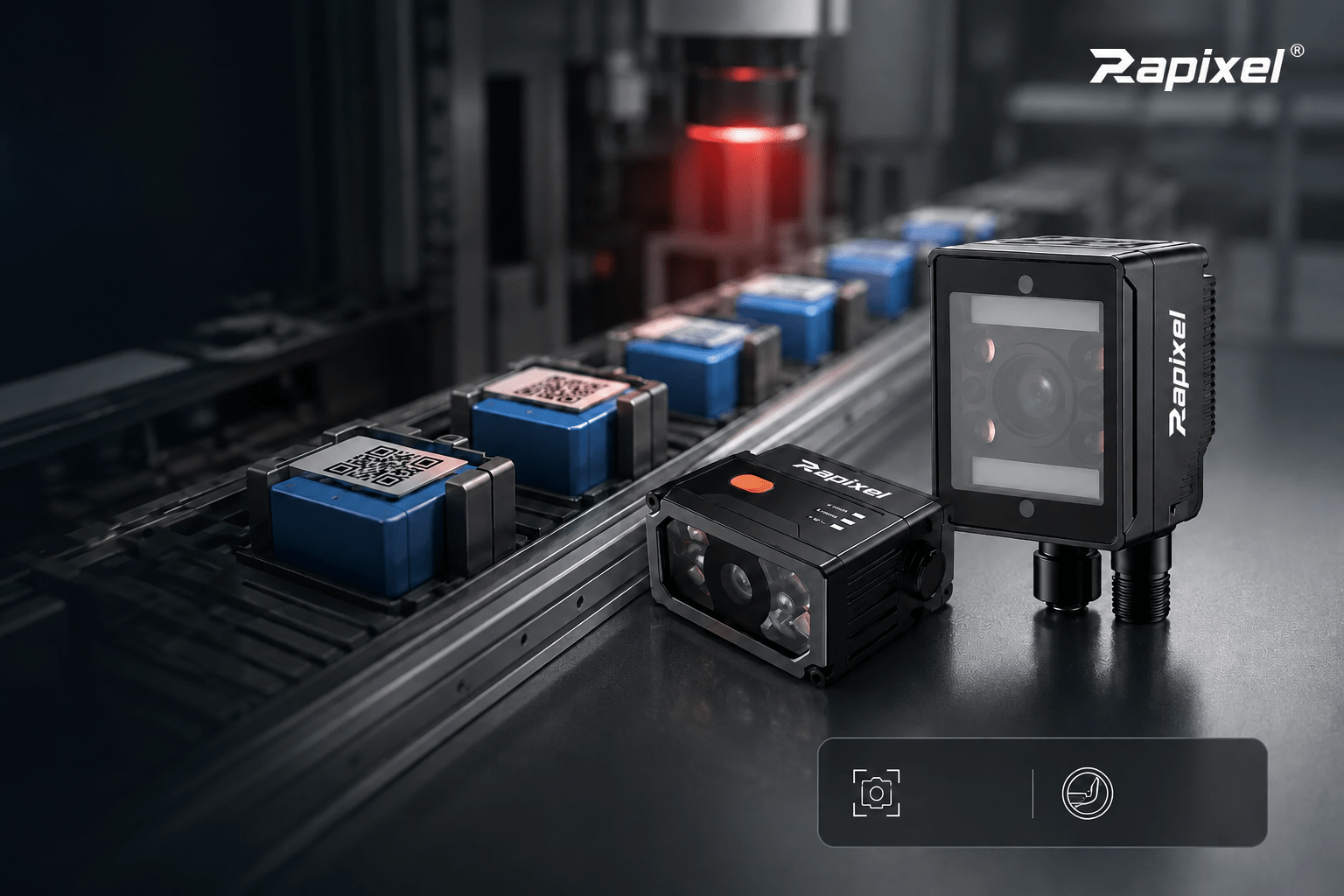
How AI Smart Cameras Simplify Industrial Machine Vision Inspection
Discover Rapixel Smart Camera, an all-in-one AI vision system integrating camera, lens, illumination, and AI processing. Designed for industrial inspection, it enables fast and reliable solutions for OCR, counting, defect detection, battery cell QR code inspection, and automated quality control.
Číst víceo How AI Smart Cameras Simplify Industrial Machine Vision Inspection
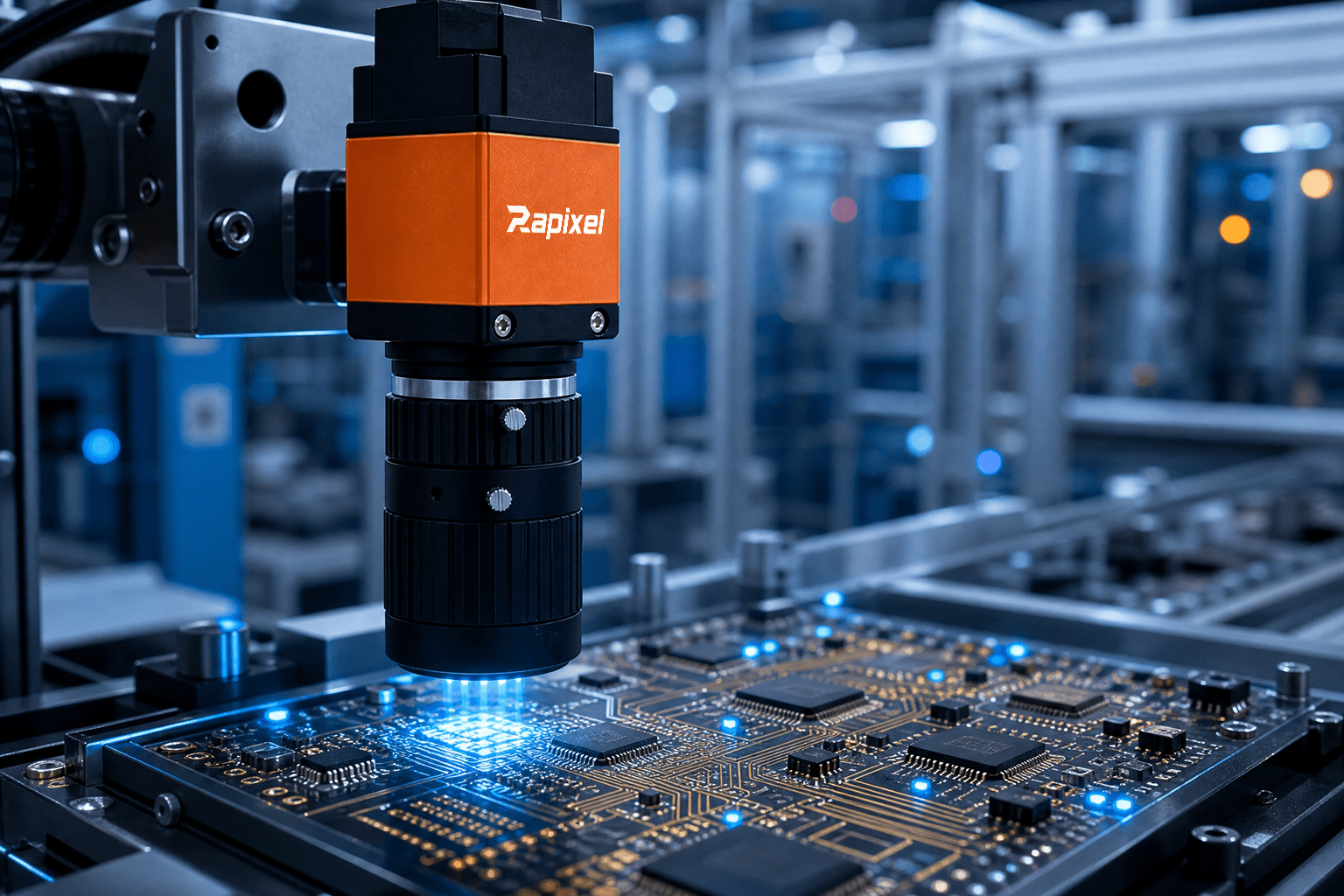
High-Resolution AOI Inspection Solutions
Explore how Rapixel Tech’s high-resolution AOI solutions combine 245MP CXP and 150MP 10GigE cameras with large format and telecentric lenses to achieve precise inspection for PCB, semiconductor, and industrial applications.
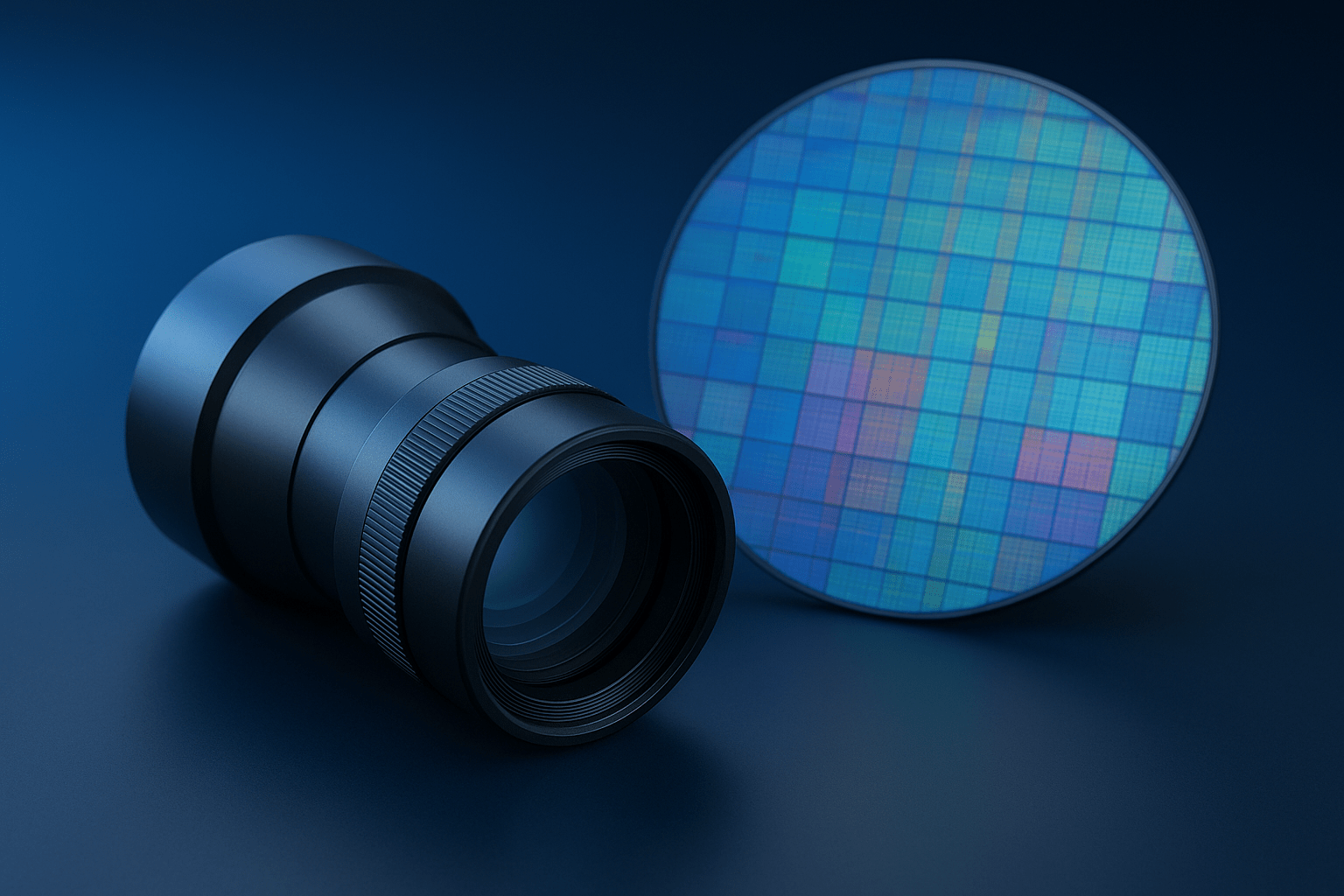
Why Telecentric Lenses Are Transforming Semiconductor & AI Vision Workflows
Číst víceo Why Telecentric Lenses Are Transforming Semiconductor & AI Vision Workflows
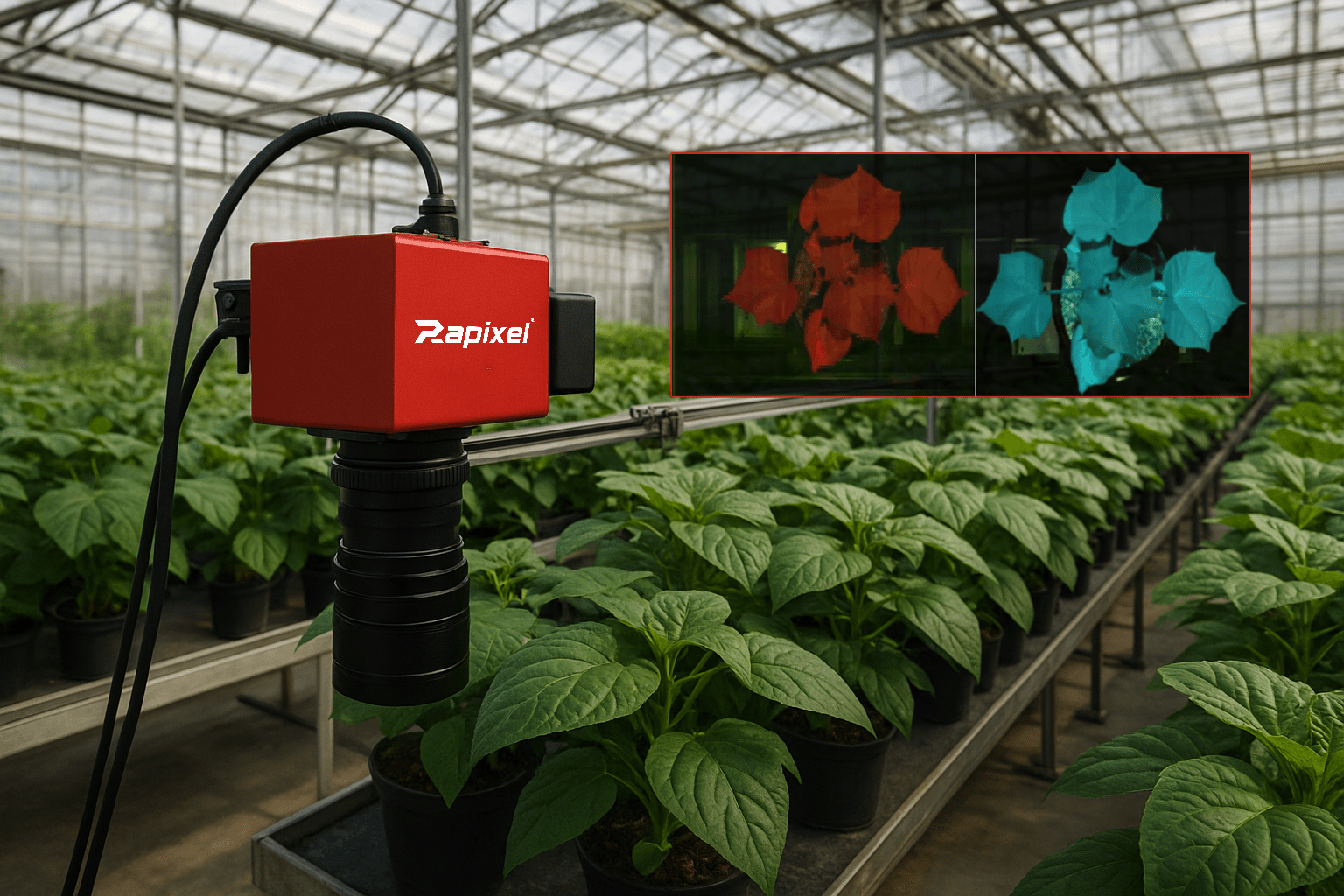
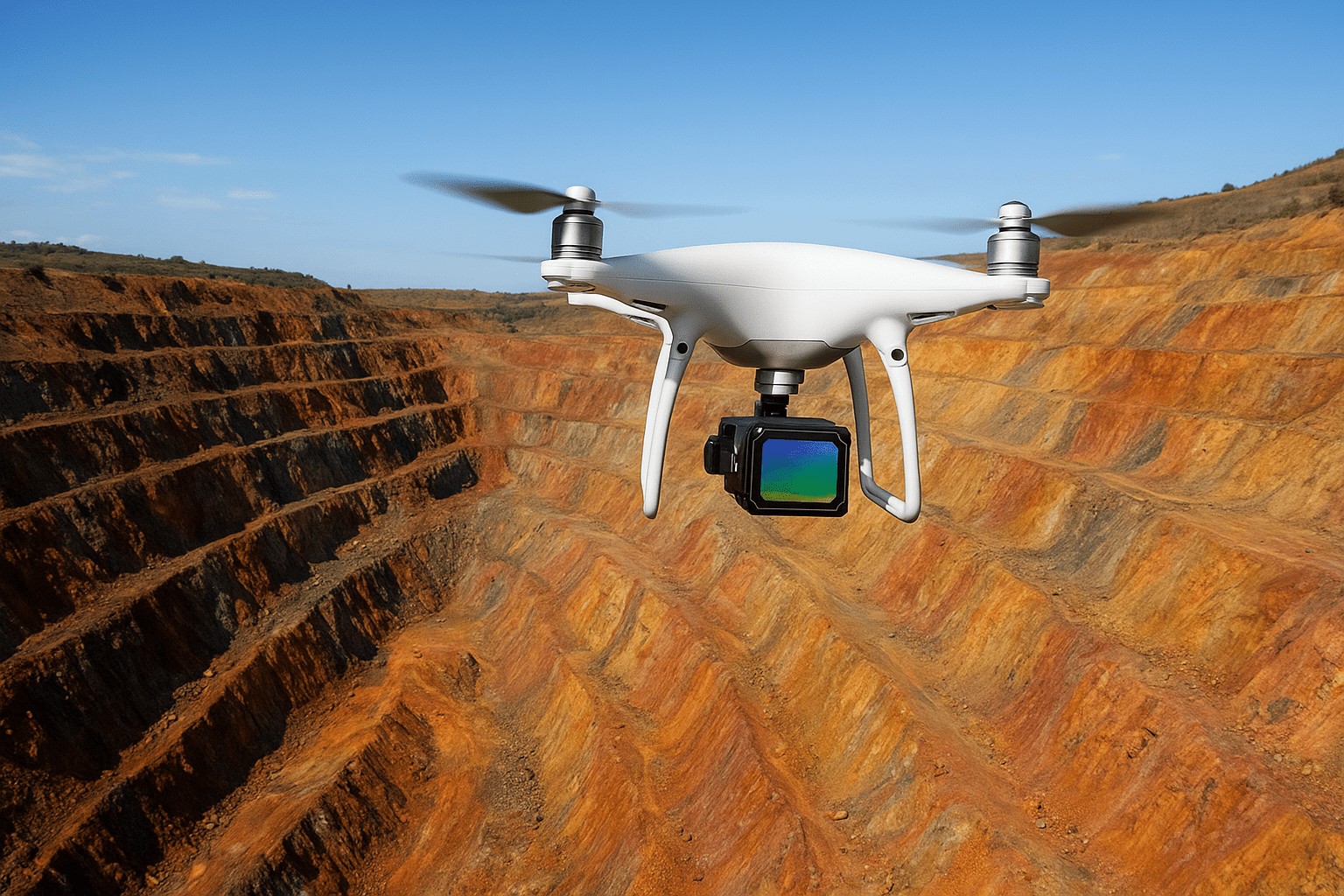
Discover the Unseen: Rapixel Hyperspectral Cameras for Mining Exploration
Číst víceo Discover the Unseen: Rapixel Hyperspectral Cameras for Mining Exploration

Precision in Every Frame — Mars Series High-Speed Cameras Empower Motion Analysis with Kinovea
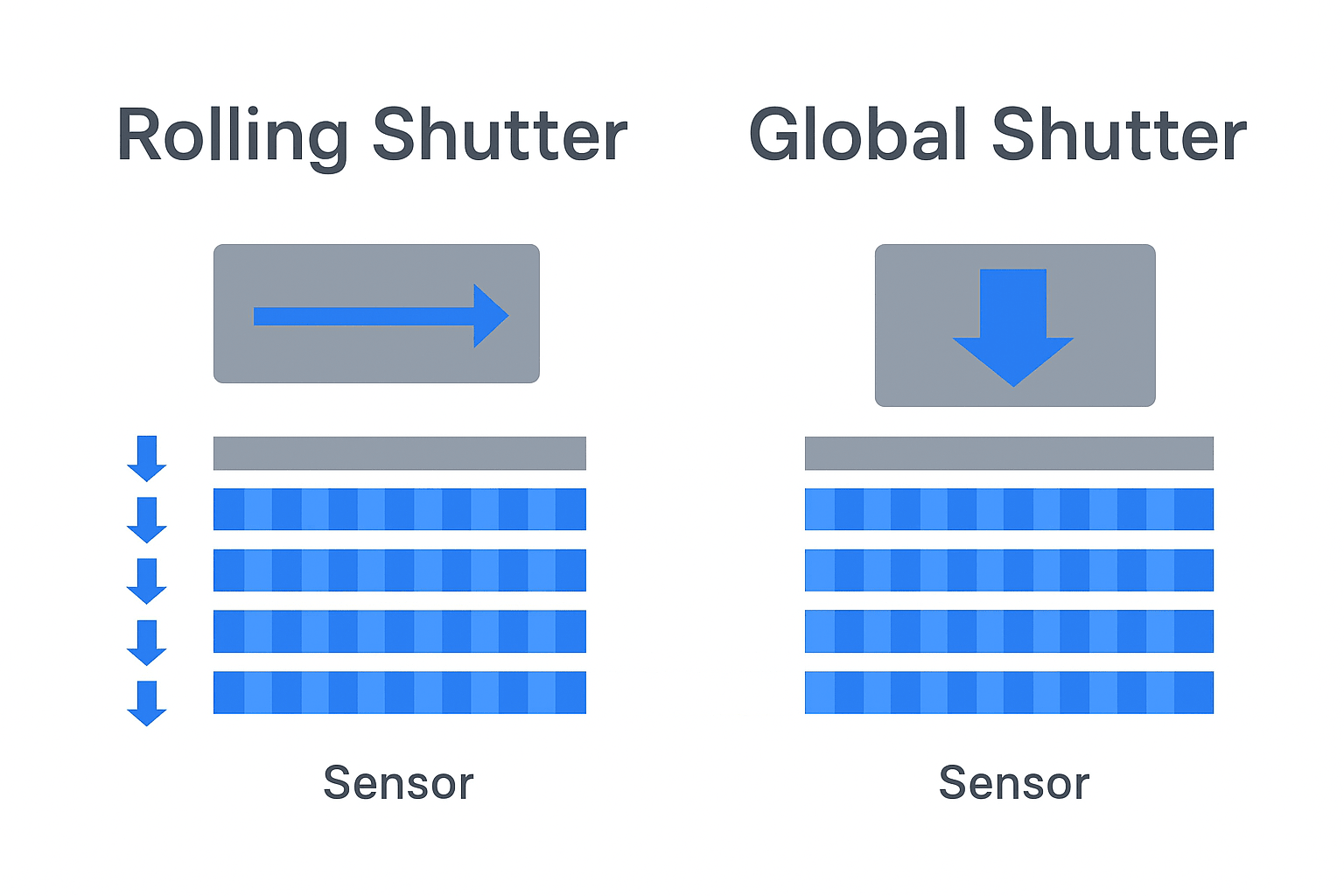
Rolling vs Global Shutter in sCMOS Cameras
This article explains the key difference between Rolling Shutter and Global Shutter in sCMOS cameras — two core technologies that determine how images are exposed and captured. Using clear analogies and examples, it illustrates how Rolling Shutter exposes the image line-by-line, which may lead to distortion when capturing fast-moving objects, while Global Shutter captures all pixels simultaneously, ensuring distortion-free results.
The blog also provides guidance for engineers and buyers on how to choose between the two shutter types based on application needs — such as motion speed, synchronization, and noise requirements. Finally, it connects these concepts to Rapixel Tech’s machine vision cameras, helping readers make informed decisions for industrial inspection, automation, or high-speed imaging projects.
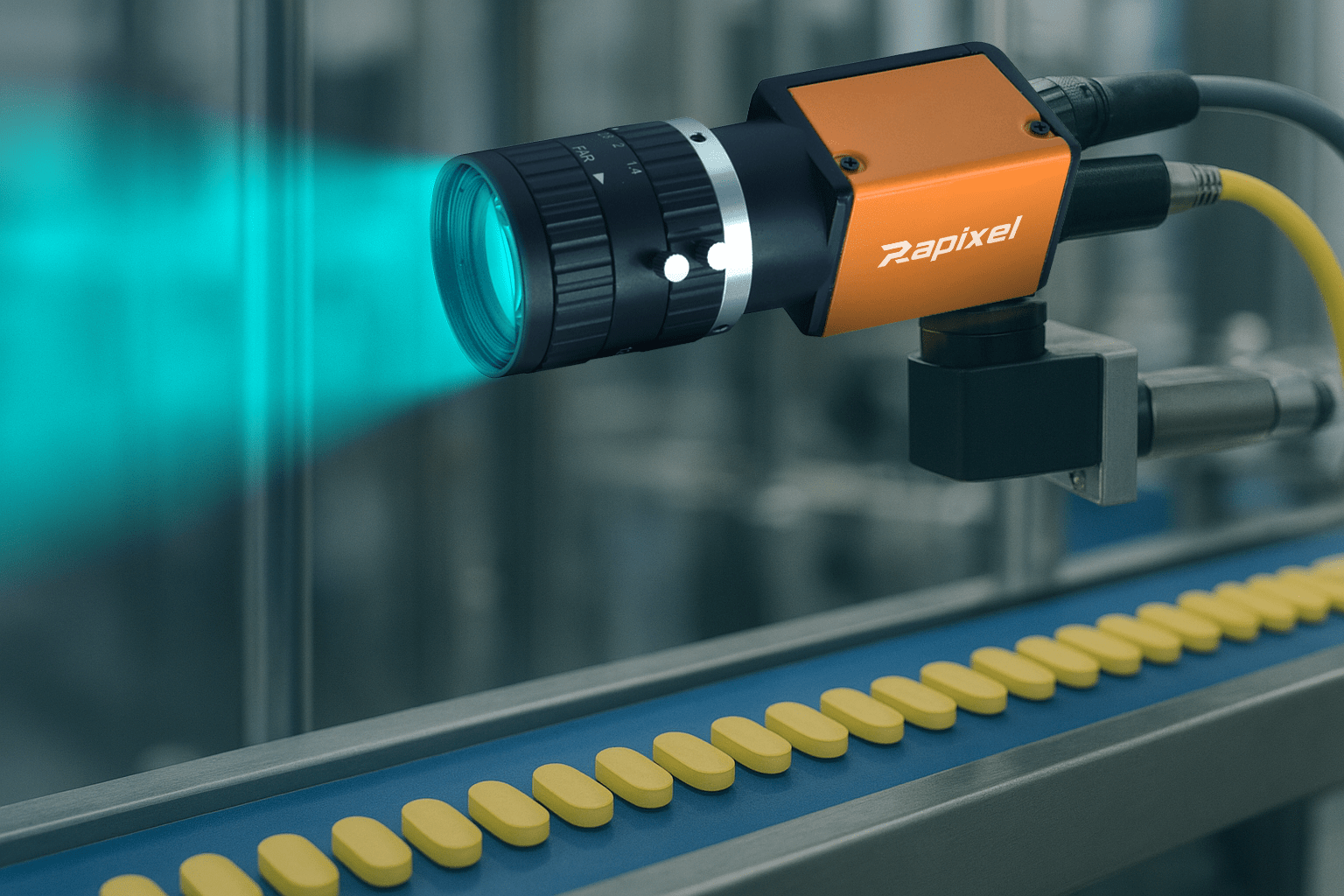
How Industrial Cameras Revolutionize Pharmaceutical Quality Control
Discover how industrial cameras empower pharmaceutical manufacturing with AI-powered inspection, packaging automation, and full traceability — ensuring product safety and compliance.
Číst víceo How Industrial Cameras Revolutionize Pharmaceutical Quality Control
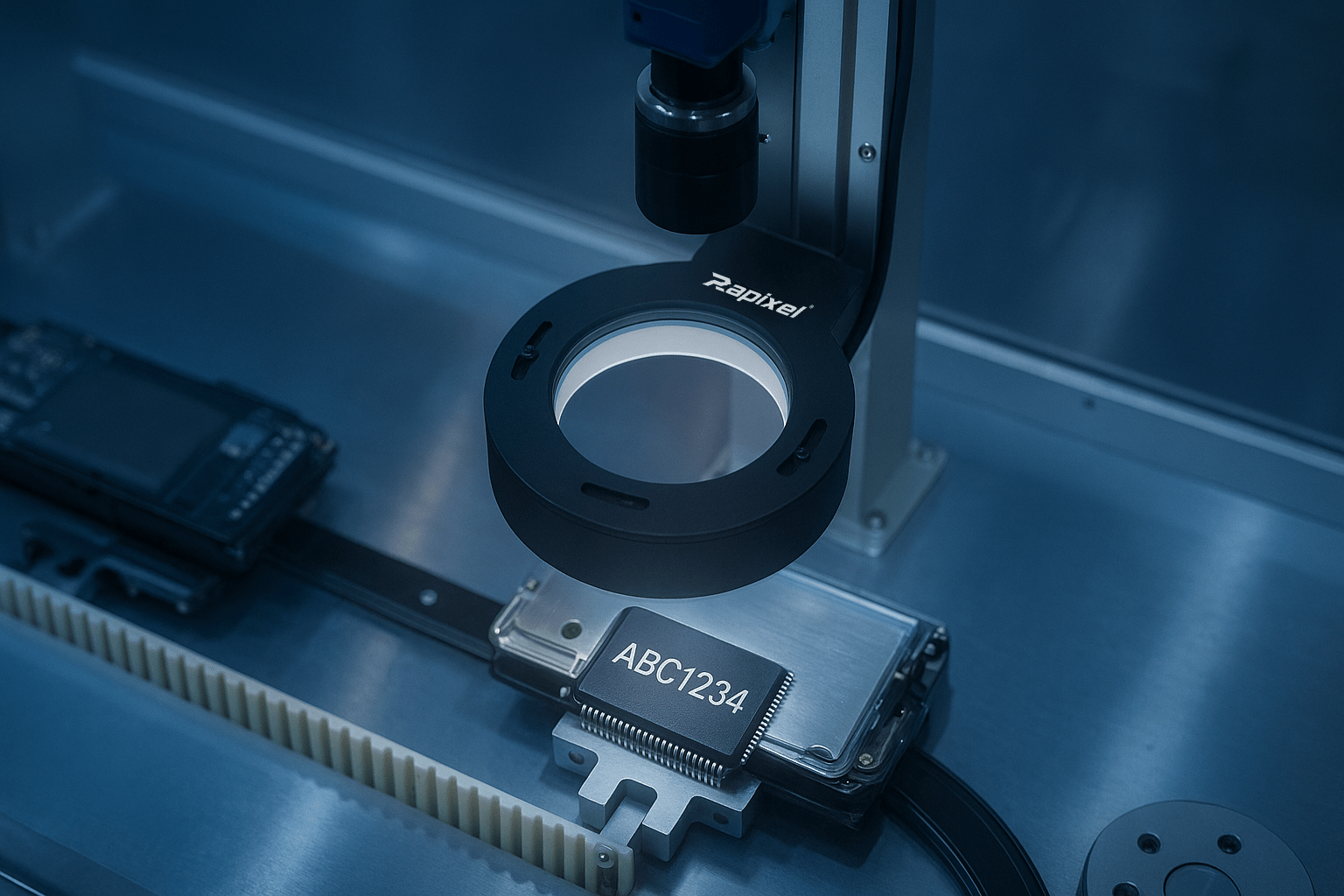
Reliable Chip Marking Inspection in AOI: How to Build Systems That Perform
This article outlines the main challenges system integrators face in chip marking AOI and shows how the right camera, lens, and illumination setup can make the difference between unstable results and a robust, production-ready system.
Číst víceo Reliable Chip Marking Inspection in AOI: How to Build Systems That Perform